

By enacting simple, proven and low-cost measures, and promoting them globally, the European Union can improve a system that only benefits the few. This will help level the playing field for law-abiding fishers everywhere.

Powered by



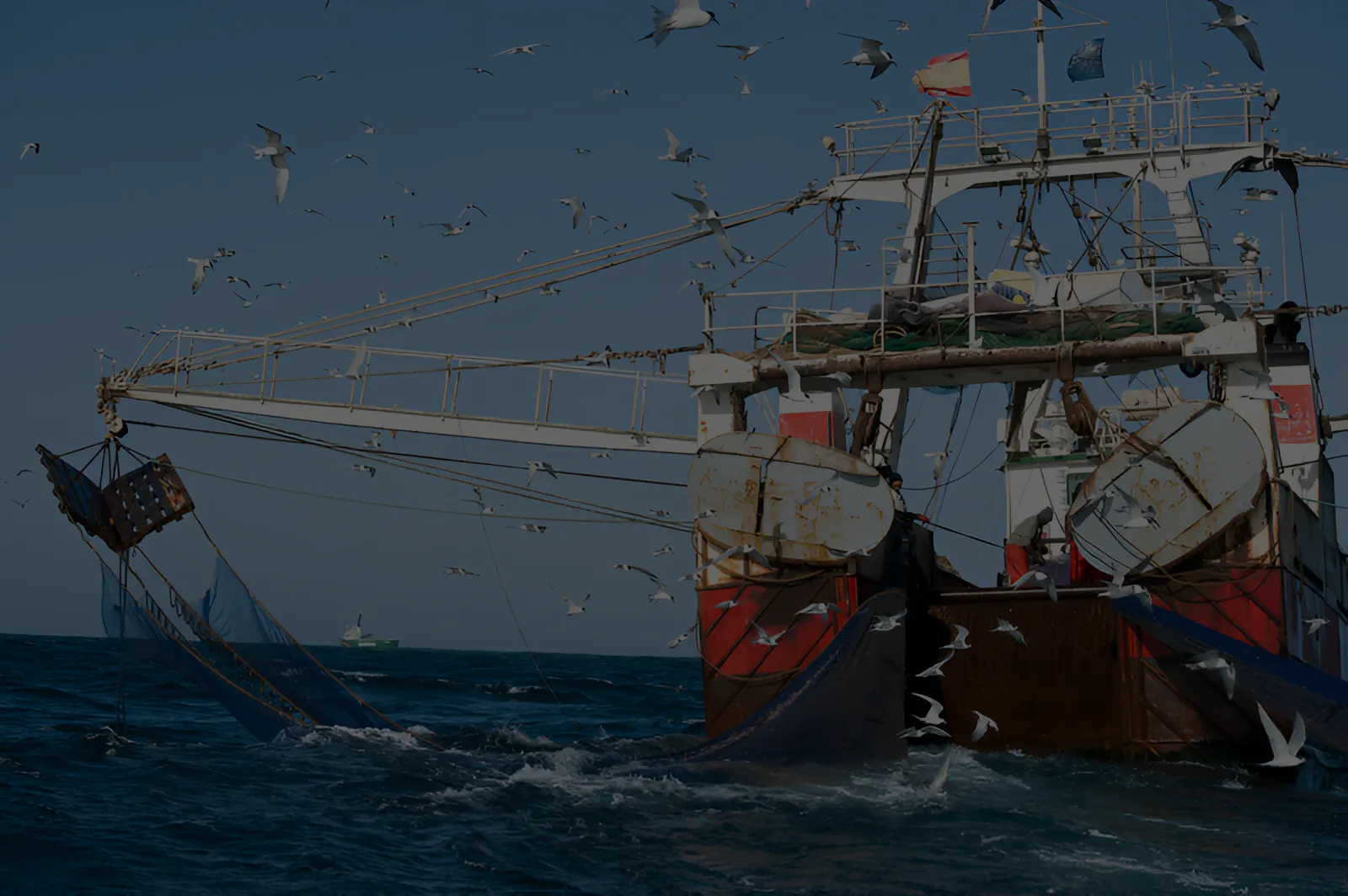
Without a clear system to identify who owns each vessel, those responsible for illegal fishing can hide in a labyrinth of shell companies and complex, transnational corporate structures. These bad actors take advantage of existing rules to avoid accountability.
On paper, the EU has a distant-water fishing fleet of 244 vessels. Add the 344 EU-owned vessels operating under foreign flags and that number more than doubles. But with no clear obligation for EU citizens and companies to register their ownership of such vessels with authorities — no mandatory transparency measures that require identification — many details remain hidden from view.
Similarly, EU-flagged vessels are not immune to involvement with unlawful profiteers concealing their interests. That is why Member States should always ask who the ultimate beneficiary of a vessel is before registering it under their flag or granting access to EU waters.
This lack of oversight lets the spoils of potentially illegal fishing flow back to Europe obscured, difficult to distinguish against legal activity.
The solution is clear: requiring, centralising and sharing data on the ultimate beneficial ownership of all EU-flagged and EU-owned vessels.
ㅤ
According to an Oceana report…


The EU officially has a distant-water fleet of 244 vessels.


344 vessels flagged by non-EU countries are owned by EU companies. This means the EU fleet is 140% larger than the official number.
The EU combined has more identified foreign-owned vessels than any country in the world.


At least 105 EU-owned vessels are flagged to countries considered to be “high-risk,” which the EU has given a “yellow card” for failing to tackle illegal fishing activity or tax haven status.

ㅤ
ㅤ
Let's be clear
Anonymity is the enemy of accountability. Without transparency, illegal practices go unchecked, and legitimate fishers bear the cost. Currently, European fishers who play by the rules are forced to compete in the same market against vessels that don't. Bad actors cut costs through forced labour and illegal fishing, gaining an unfair advantage that no responsible operator can match.
The cards are stacked against them.
Transparency rewards responsible fishers and prevents tainted profits from illegal fishing and human rights abuses flowing into the EU.

that levels the playing field and ensures fair competition at sea.
ㅤ
ㅤ
ㅤ
If we let the game continue…
… and Member States carry on without collecting information on the beneficial ownership of fishing vessels, most individuals that profit from the plundering of the ocean remain unaccountable in the eyes of the law.
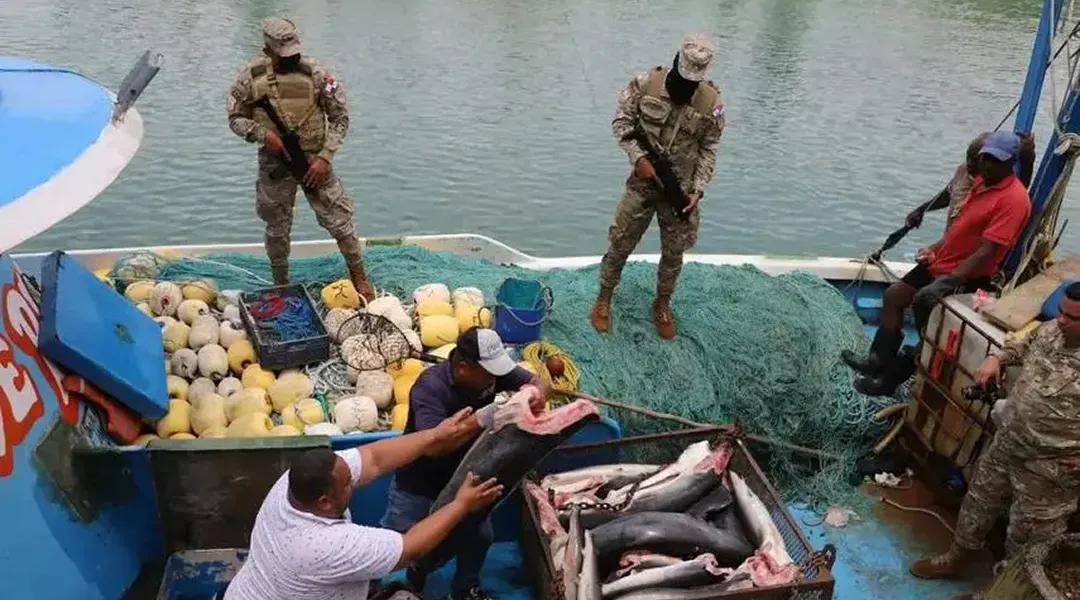
Authorities will continue to allow EU-owned vessels — flying other countries’ flags — to fish in direct competition with EU-flagged vessels, circumventing environmental and social standards.
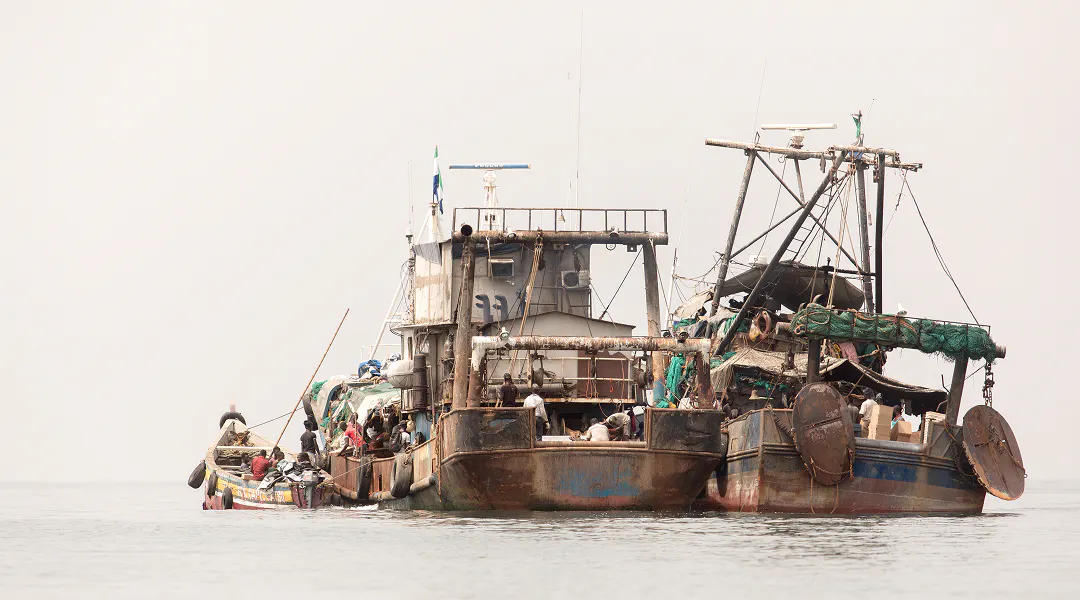
At least 105 EU-owned vessels can circumvent European regulations through “flags of convenience,” competing in the same seas and markets as fair fishers.
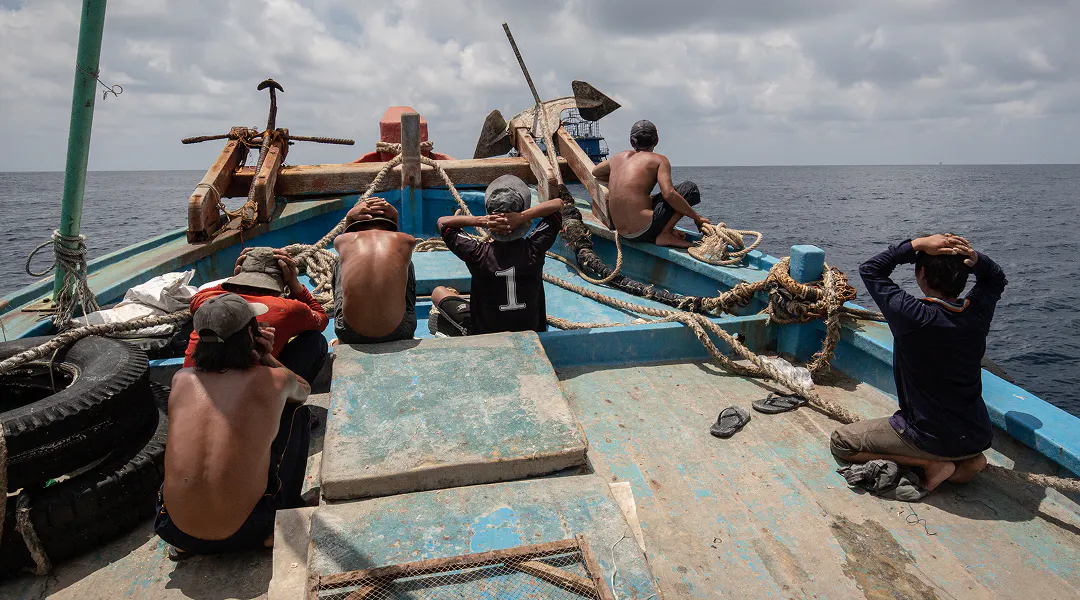
Protected by shell companies, the anonymous beneficiaries of illegal fishing can evade liability, deflecting potential penalties and punishment onto their crews.
Europe has a responsibility as a market force and catch destination to ensure that EU nationals are following sustainable practices and not contributing to the crises enabled and obscured by lax regulatory exposure.
ㅤ

Over 10% of EU seafood imports originate from 20 high-risk countries.
As a significant market force and catch destination, the EU must ensure that European citizens and companies follow sustainable practices instead of fuelling crises made possible by weak oversight.
ㅤ
Case studies
Investigations by the Environmental Justice Foundation and Oceana shine light on the crises underway in three high-risk flag nations: Senegal, Ecuador and Panama, whose artisanal fishers are facing existential threats while illegal fleets ravage their waters.
Senegal 🇸🇳
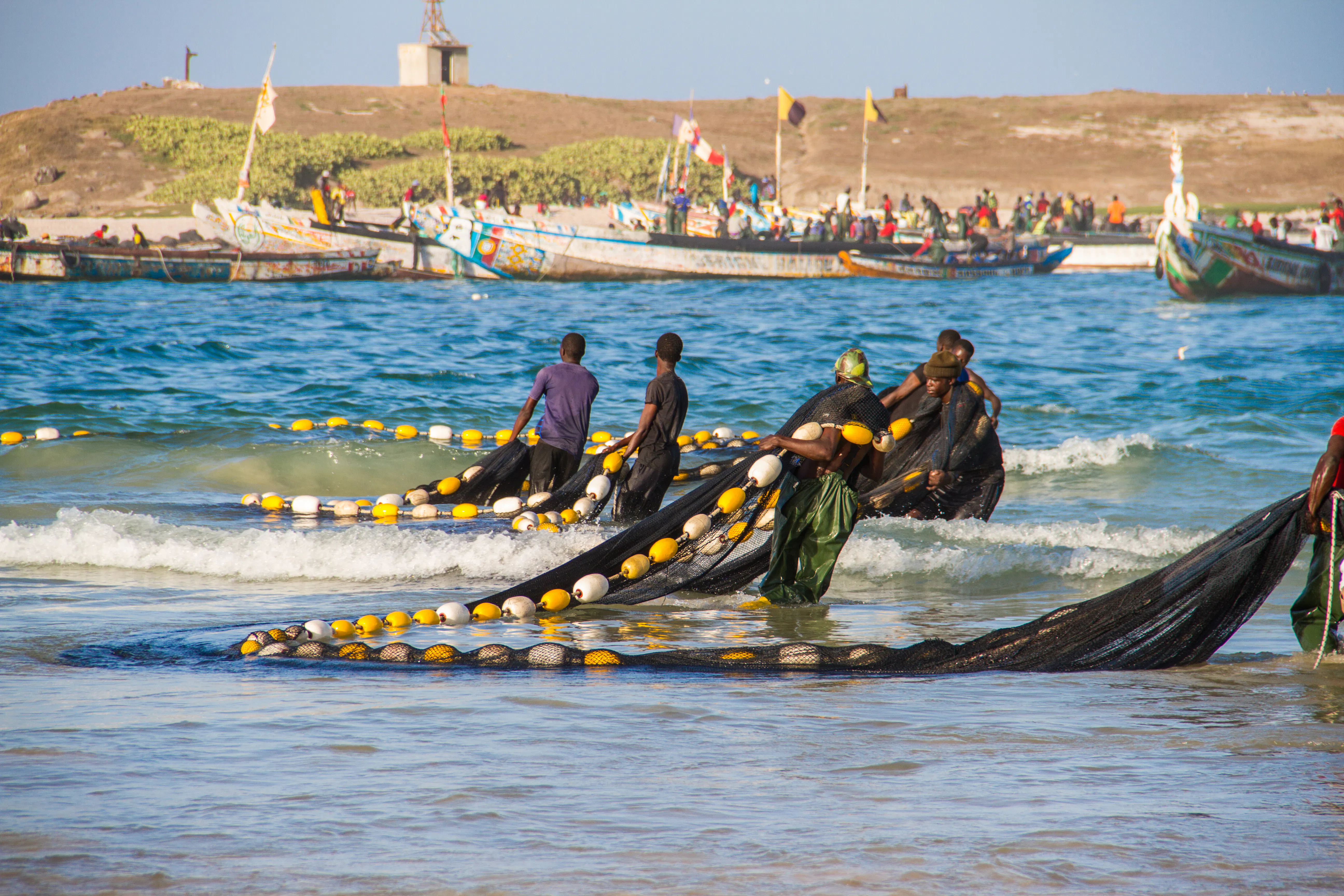
In Senegal, a country given a “yellow card” from the EU for failing to tackle illegal fishing, destructive overfishing by industrial fleets, ultimately belonging to Asian and European companies, has depleted local resources and jeopardised the food security of coastal communities.
The local population is forced to migrate along routes where many lose their lives. According to an Oceana report, there are at least 21 Senegalese-flagged vessels belonging to EU companies.
Ecuador 🇪🇨
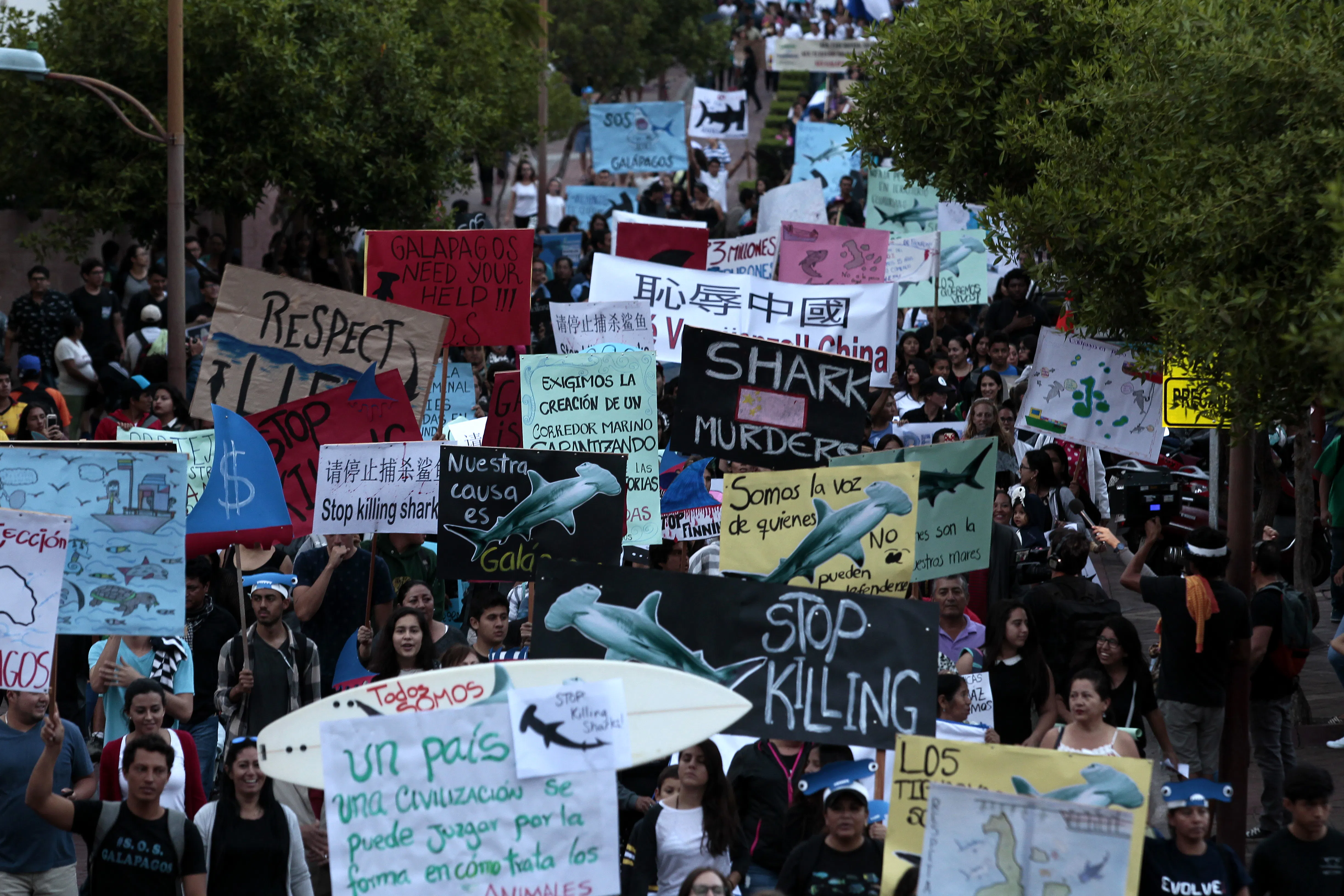
In Ecuador, EU companies own 8 vessels flying the flag of Ecuador, another country with a “yellow card” and whose lack of traceability and weak controls hinder the fight against illegal fishing and sustainable management of catches.
Panama 🇵🇦
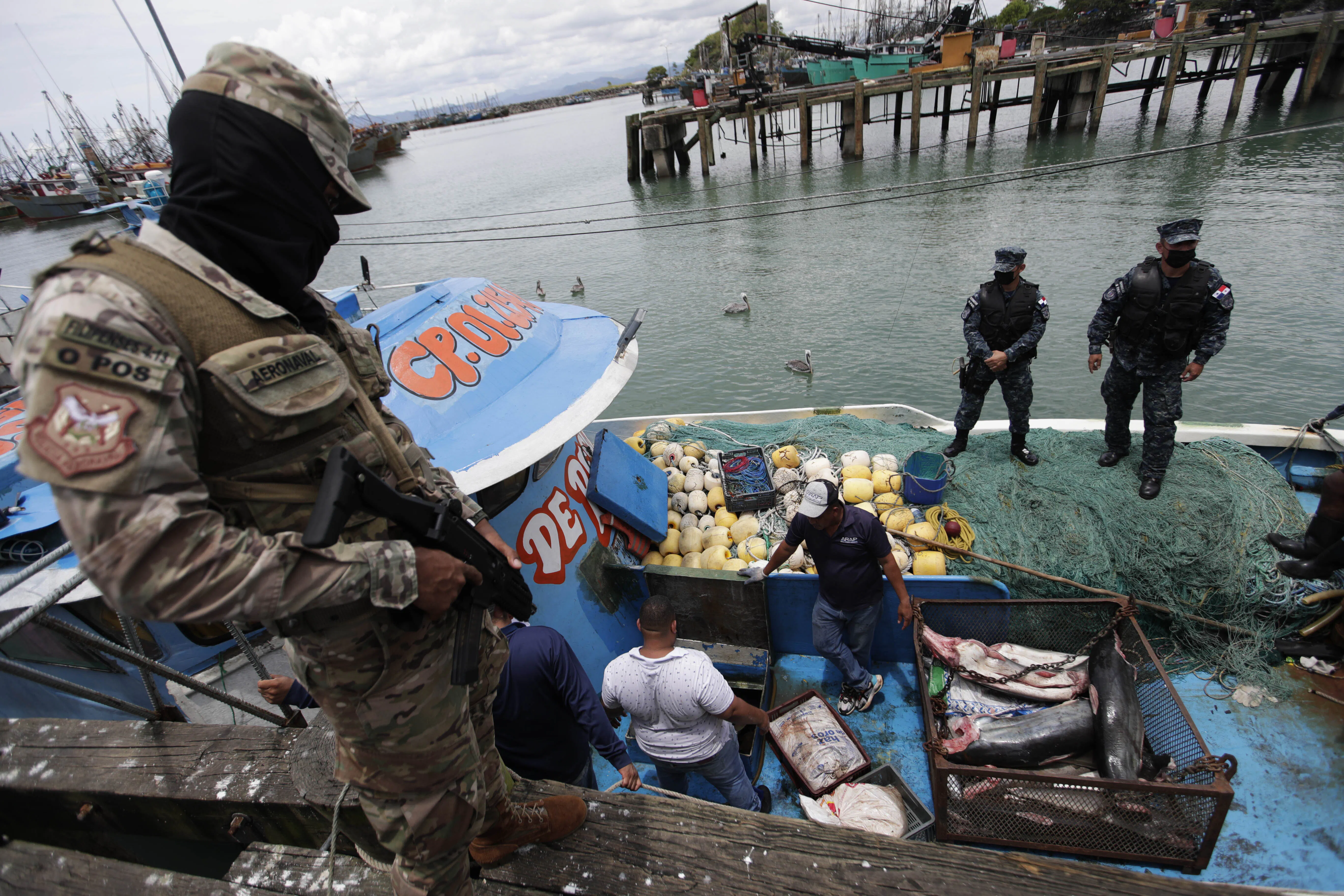
In Panama, the absence of a public register of beneficial owners has made the country a popular flag state and a well-known tax haven. Twenty EU-owned vessels are flagged to Panama, despite its history of illegal fishing and the two “yellow cards” imposed by the EU.
This could soon change thanks to new legislation announced at the 2025 UN Ocean Conference, which will require the disclosure of beneficial ownership information for internationally licensed vessels.
As we approach the Our Ocean Conference, taking place in June 2026 in Kenya, the European Commission can showcase its ambition to tackle this issue on the global stage by implementing these recommendations.
ㅤ
ㅤ
ㅤ

Costas Kadis, the Commissioner for Fisheries and Oceans, has the power to end this unfair game by:

Requiring Member States to collect and verify beneficial ownership information for EU-flagged vessels, regardless of ownership, as well as for non-EU-flagged vessels owned wholly or partly by EU nationals or companies.

Ensuring that ultimate beneficial ownership data of the EU fleet is systematically linked to the EU Fishing Fleet Register and external fishing authorisation databases, so enforcement authorities can identify the real individuals who finance, control and profit from vessels.

Clarifying through formal European Commission guidance that Member States must collect information on nationals with ownership interests in non-EU-flagged vessels to properly enforce the IUU Regulation.

Analysing how to restrict or prohibit EU nationals and companies from owning fishing vessels flagged to flags of convenience or jurisdictions associated with illegal fishing or weak enforcement.

Promoting beneficial ownership transparency globally, including through Regional Fisheries Management Organisations, bilateral dialogues established in the context of the EU carding system, fisheries agreements, the IUU Action Alliance and other relevant international fora.
ㅤ
ㅤ
ㅤ
Reports

ㅤ
Stay up-to-date
Get the latest news and reports on how the European Union can be a leader in real transparency at sea.